Port operations. Real constraints.
Tidal windows, berth allocation, vessel scheduling. The optimization headaches that keep Rotterdam, Singapore, and Shanghai running.
Three ships coming in. One berth opens in 47 minutes. Spring tide peaks in three hours and your narrow eastern slip becomes usable for exactly 90 minutes. Your cranes are breaking down. Port operations don't stop while you think.
Smoothharbor runs actual maritime logistics. Draft constraints. Collision avoidance. Equipment that fails without warning. Regulatory delays. Weather windows that shrink your workable time to 48-hour bursts. You're not moving boxes on a grid. You're sequencing vessel approaches, managing tidal cycles on a 24-hour-50-minute loop, spreading limited infrastructure across competing demands, and handling operational shocks without everything collapsing.
Built for people who got deep into Factorio, Two Point Hospital or OpenTTD—and maritime professionals who want to see how their actual work translates on screen.
Core Operations
Tidal Windows
When a ship draws 12.5 meters and your deepest berth only clears at high water, timing becomes everything. Spring tides peak roughly once a month and you've got maybe 90 minutes to use them. Miss that window and you're waiting half a day for the next one. The whole vessel schedule bends around these cycles, not the other way around.
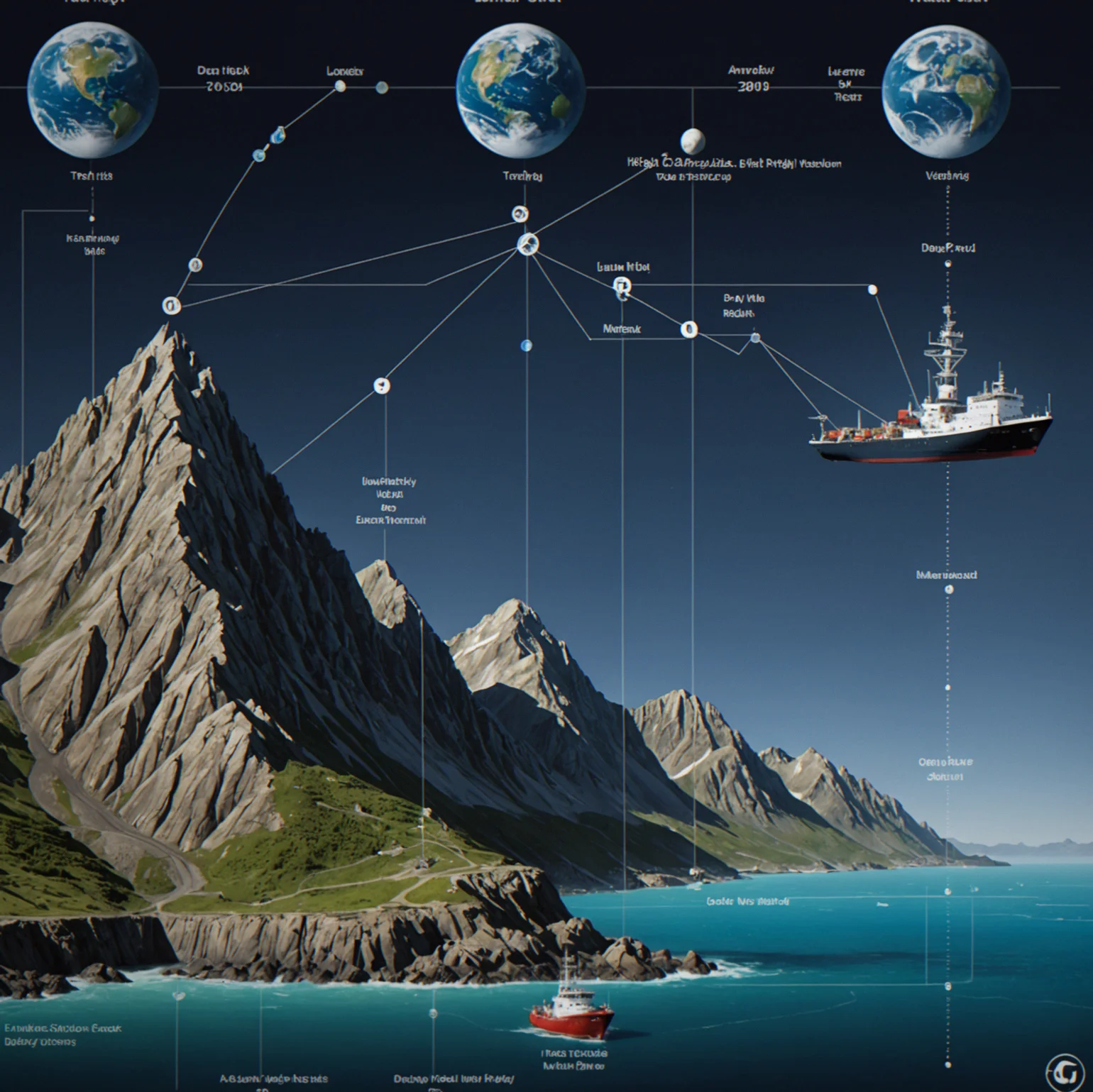
Tidal height chart showing lunar cycle variations and high water peaks over a 29-day period
Berth Allocation
Seven ships want to dock. You've got four berths. Three of them need specific cranes, two are carrying hazmat and have to stay 200 meters away from fuel storage, and one oversized vessel basically eats up one and a half berth spaces. This isn't moving boxes around. You're positioning ships, working out safe distances, sequencing approach angles. Every decision ripples.
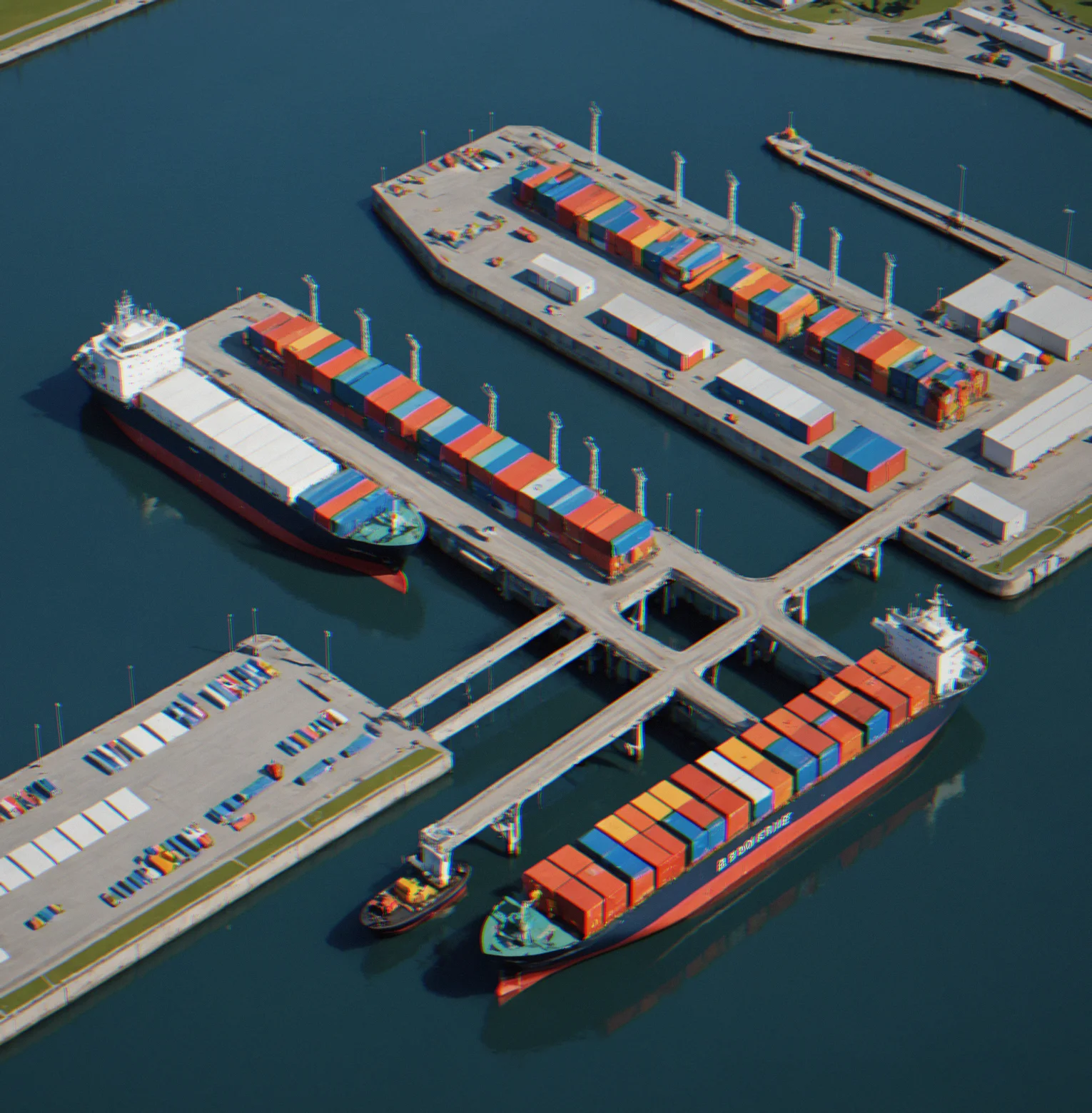
Overhead terminal layout showing four color-coded berths with vessel silhouettes and safety buffer zones marked
Collision Avoidance
Vessels move through 2D space and collision detection works at sub-meter precision. Wake from one ship messes with tugboat handling on another. A vessel at approach speed doesn't stop on a dime — you're managing momentum, angle of approach, emergency procedures. It all has to work.
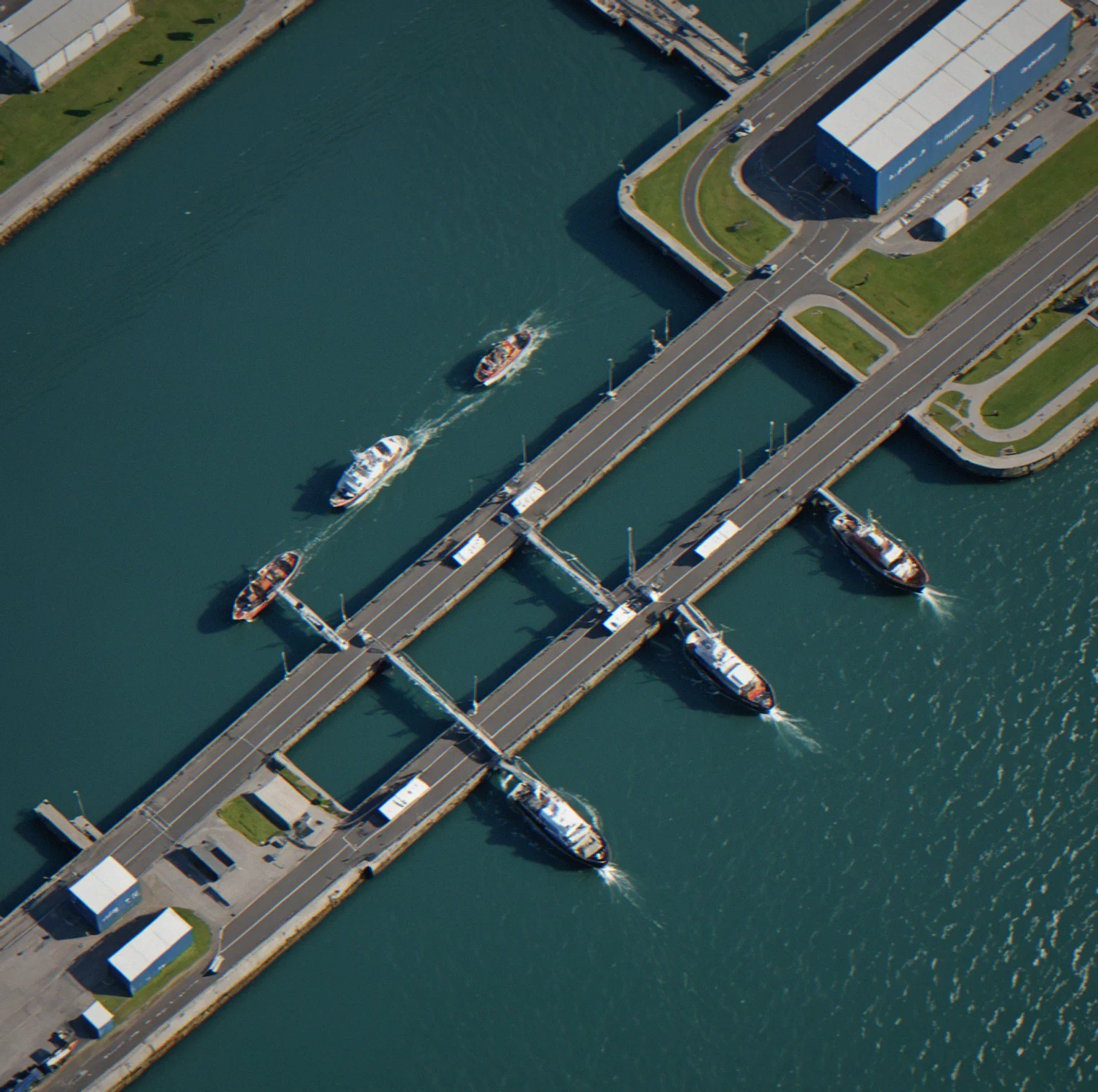
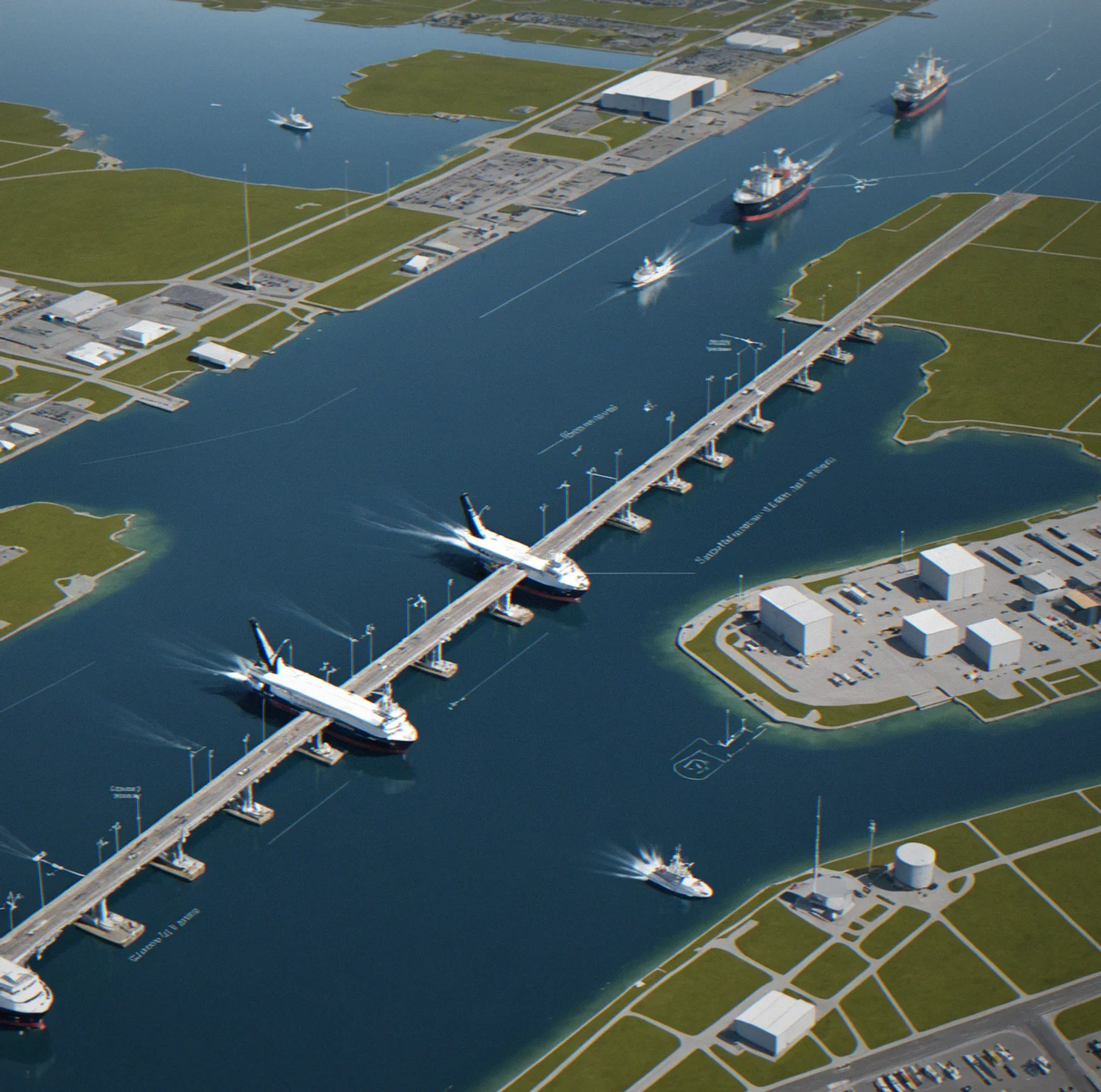
Bird's-eye view of a port channel with two vessels approaching at different angles, wake patterns and collision zones highlighted
Cargo Flow
Containers stack in blocks. That one sitting out at the far apron? It costs you time to grab. Stacking height matters. Crane cycles get longer. which blocks you move first depends on when the vessels leave. Pull the wrong one and you're hemorrhaging hours you don't have.
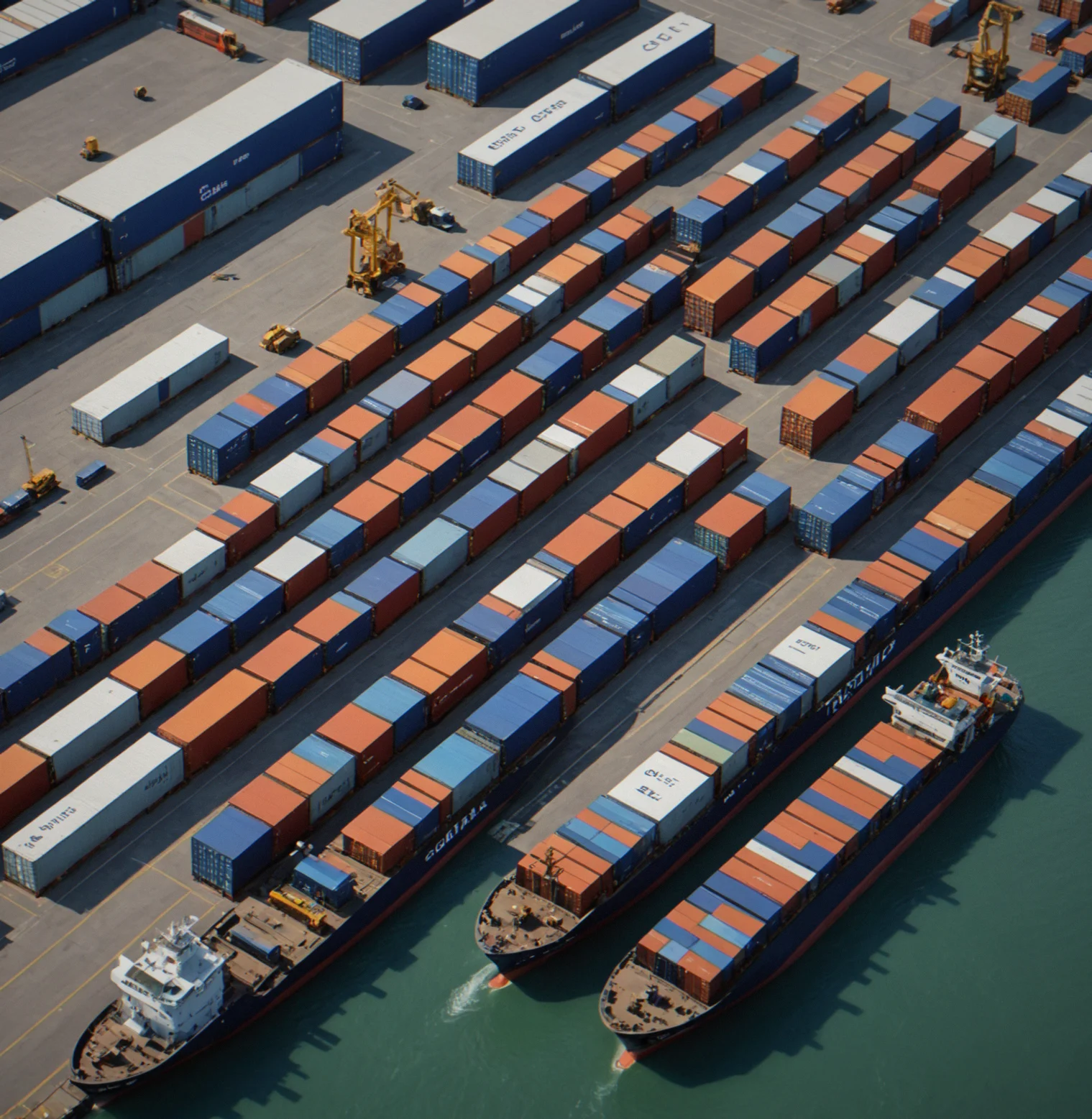
Stacked containers in a terminal yard showing different block heights, crahe positions and numbered retrieval order
Equipment Failure
Cranes break down. Maintenance gets scheduled. You work around whatever's out. A six-hour outage in the middle of your shift reshuffles your whole afternoon. No workarounds, no instant fixes. Just adapting operations and compressing timelines to compensate.
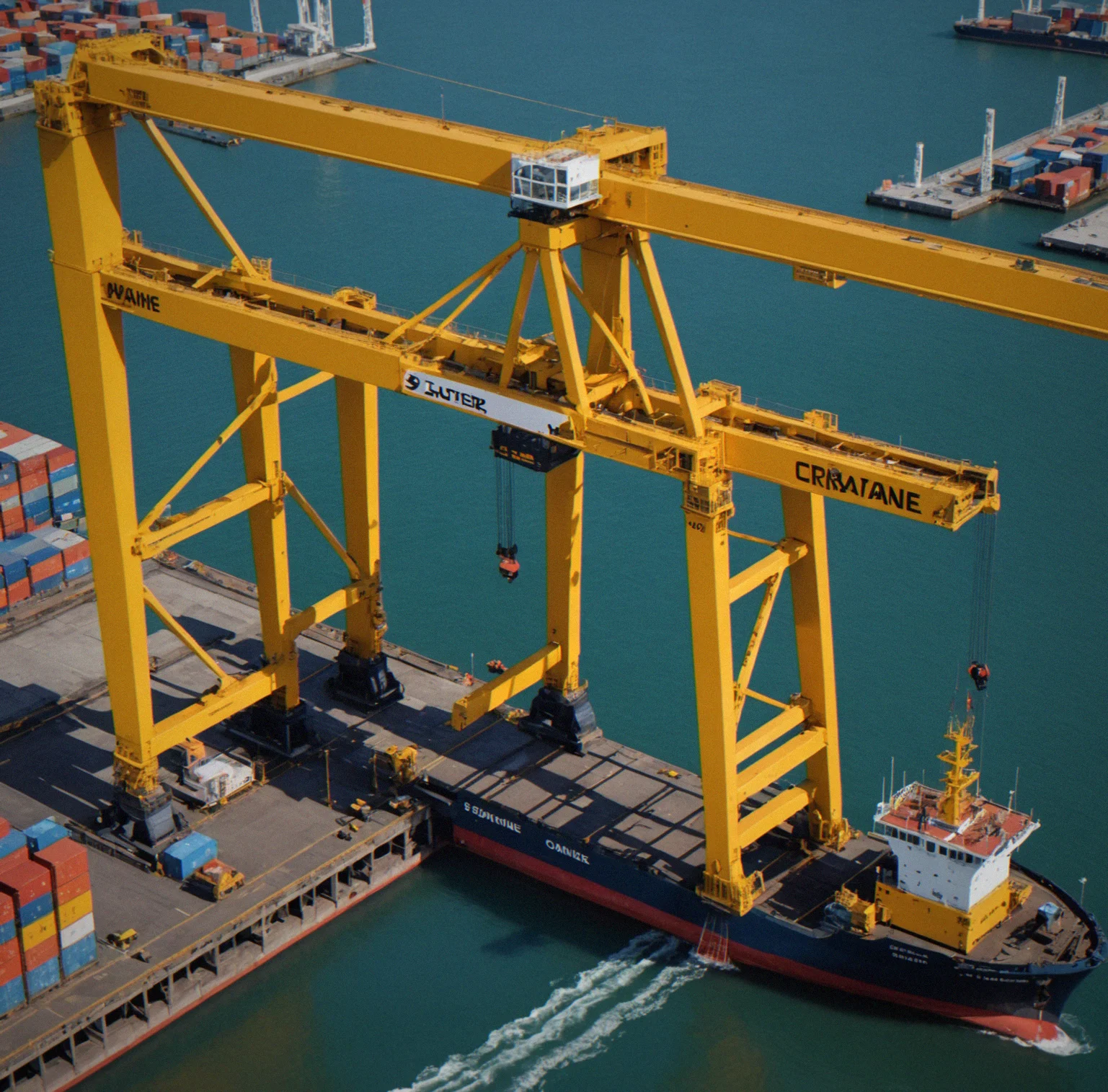
Close-up of a container crane with maintenance warning indicators and a timeline showing downtime blocks
Vessel Classes
There are around 45 different ship types out there. Each one has its own draft, length, beam, crane requirements and load profiles. A Triple-E container ship stretches 400 meters. LNG carriers need specialized infrastructure just to dock. Bulk carriers have load patterns that affect weight distribution. You can't treat them all the same.
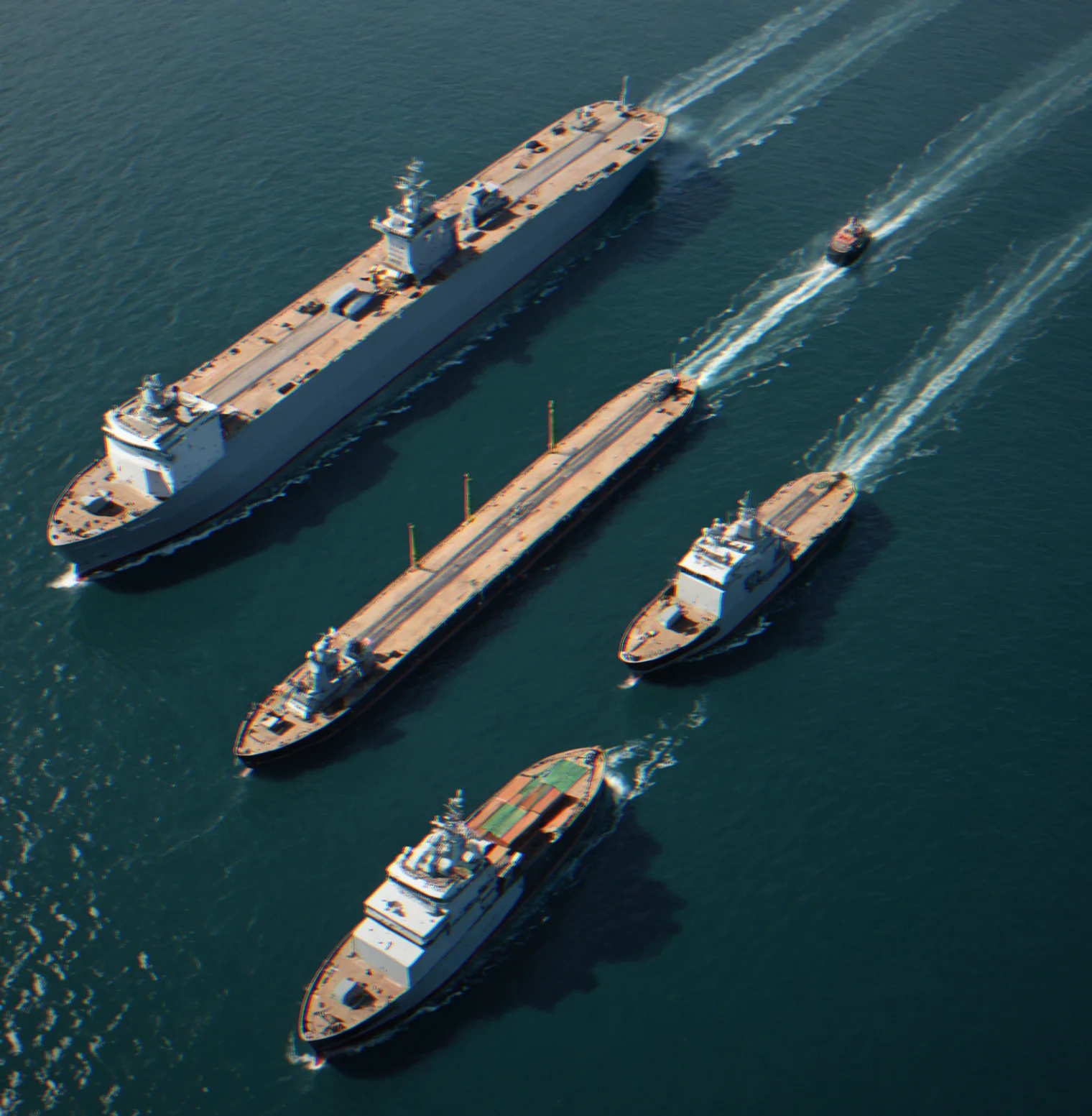
Comparative silhouettes of five different vessel types showing varying lengths, heights and deck structures
Labor & Costs
Night work runs you about 40% higher in costs. Crews hit fatigue limits. Shift patterns determine who's available when. You don't have infinite labor to throw at problems. You budget realistically, weigh early-morning premium rates against afternoon delays, and factor fatigue constraints into how you actually schedule things.
Timeline calendar showing shift patterns across three days with color-coded labor cost multipliers for day, evening and night periods
Weather Events
Strong winds close certain berths. Fog slows everything down on approach. Rain triggers maintenance holds. Seasonal storms compress your working windows into maybe 48-hour pushes. Weather isn't just atmosphere flavor. It gates your decisions and kills optimistic schedules fast.
Weather radar showing wind speed zones, fog advisories and storm cells approaching a port terminal
Regulatory Constraints
Inspections lock berths down. Hazmat vessels need clearance paperwork. Emissions rules limit what fuel you can burn in port. Breakbulk cargo demands careful handling. Real ports deal with actual regulatory overhead. Smoothharbor models that too.
Document checklist showing regulatory compliance items, hazmat classifications and inspection hold status indicators
How Smoothharbor Works
Real maritime constraints. Real optimization puzzles.
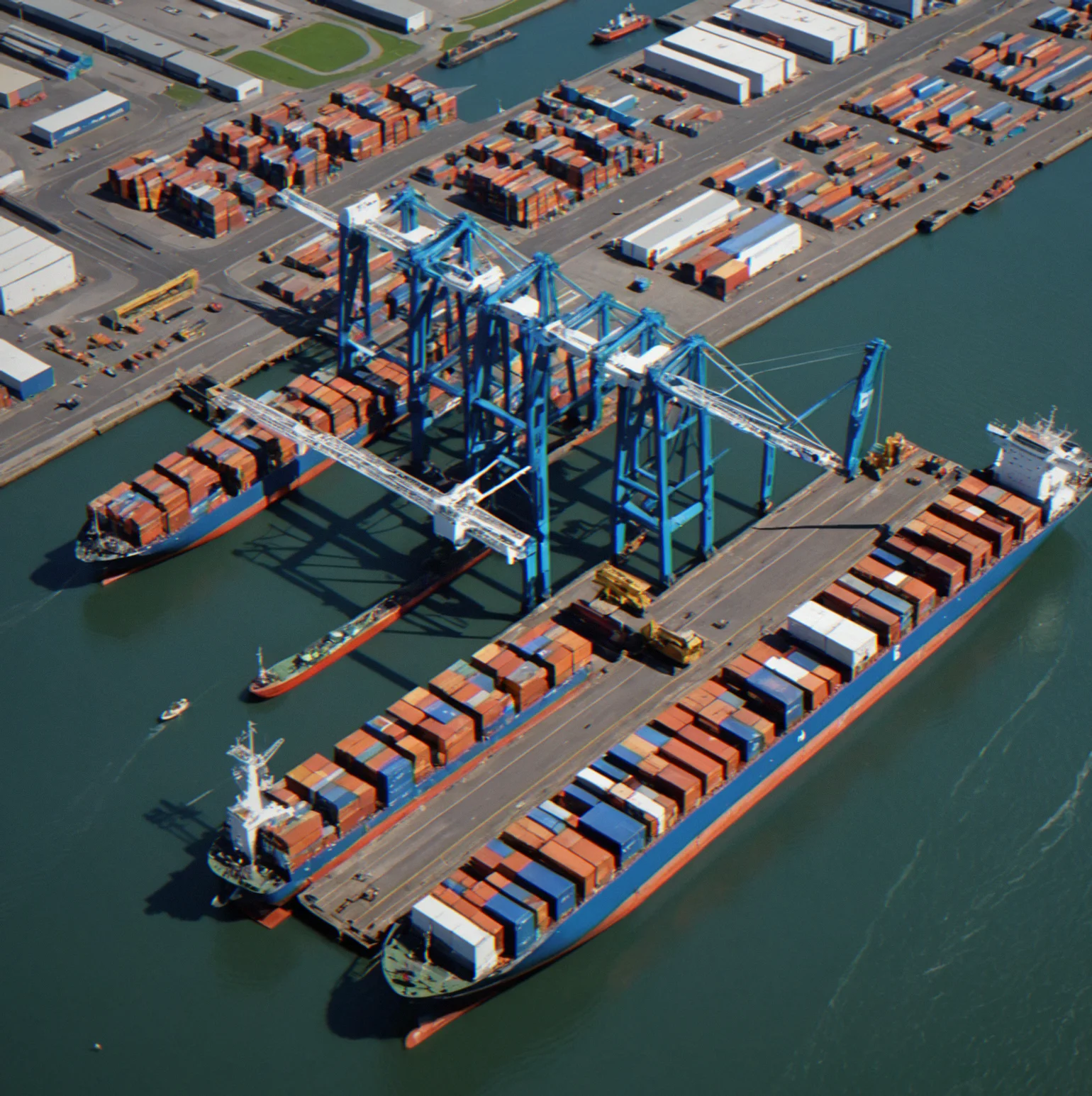
Five Real Ports
Rotterdam, Singapore, Shanghai, Los Angeles, hamburg. These aren't generic templates — each one is built from actual terminal layouts, the traffic patterns you'd see throughout the year, and how the real operations actually run. You're managing something that genuinely mirrors what these working harbors deal with every day.
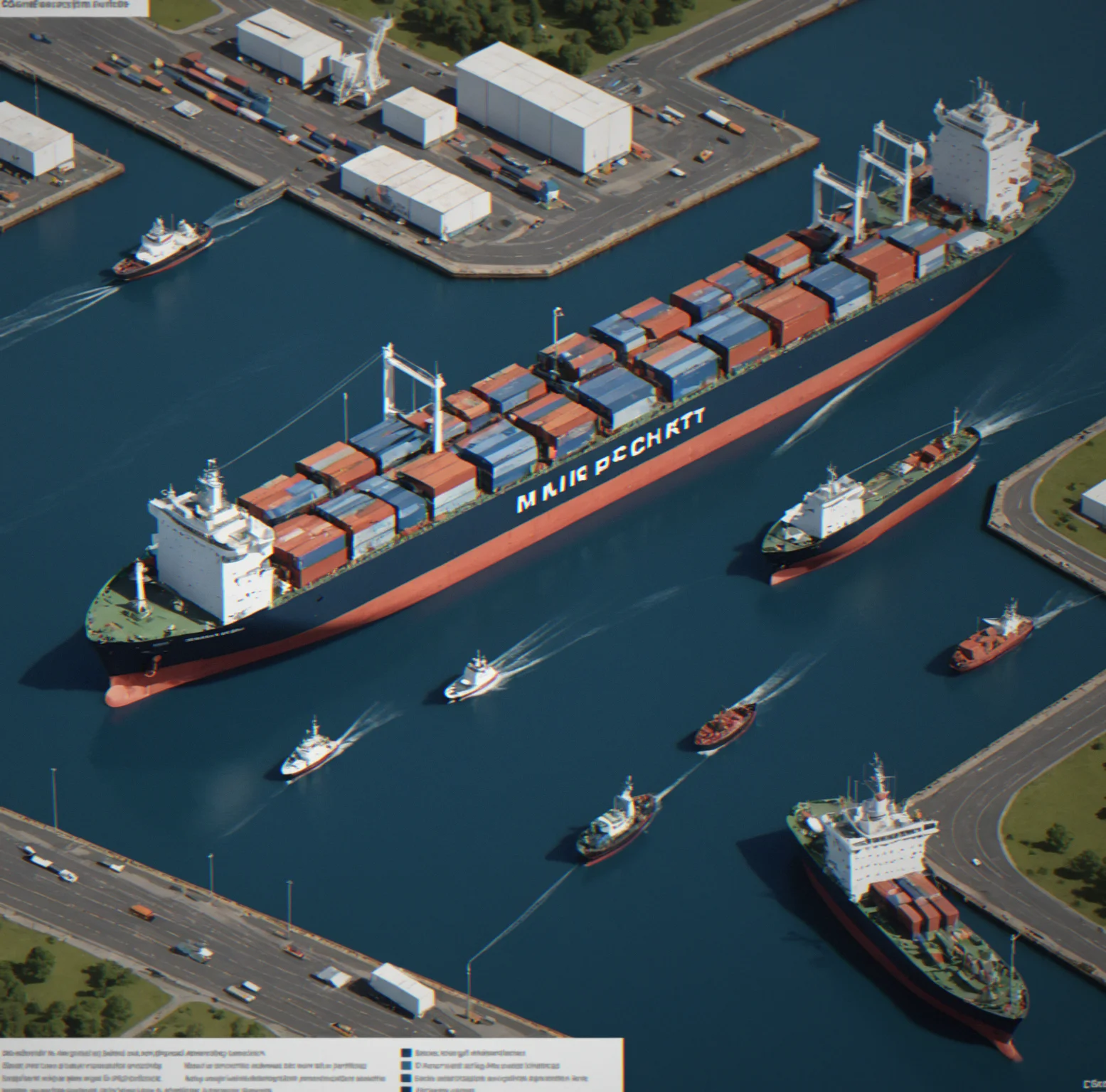
Campaign & Sandbox Modes
You start out as a junior harbor master at a mid-sized facility. Those early contracts are straightforward enough — bulk carriers, small container runs. Then it escalates. Mid-game throws Triple-E ships at you, LNG vessels that need their own specialized berths, breakbulk cargo where precision matters. By the end you're dealing with cascading delays, emergency medical evacuations from vessels stuck in port, all the chaos that real ports handle as part of their routine.
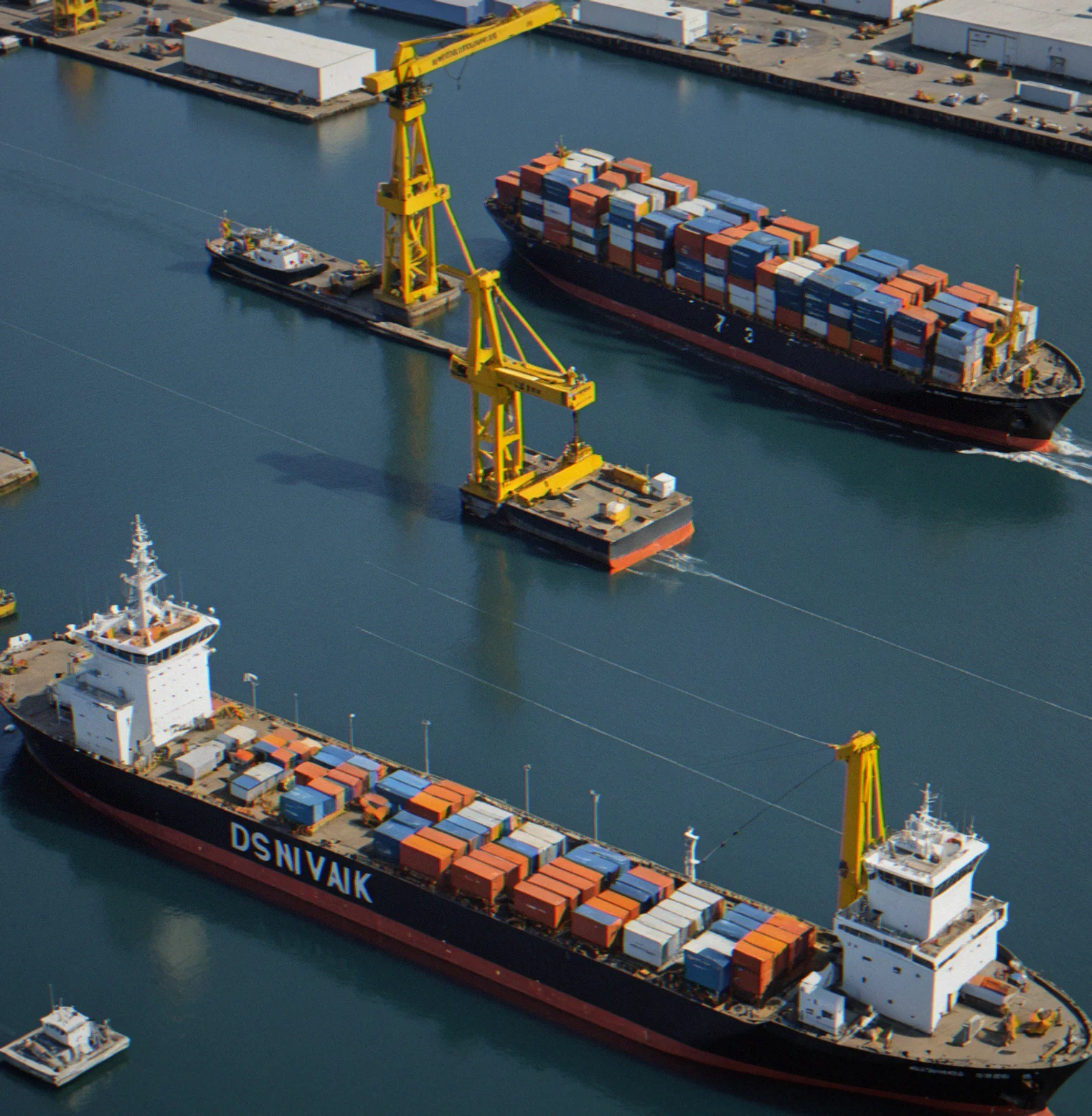
Stochastic Systems
Vessels show up late. Equipment breaks down. Weather windows get tighter. None of it feels unfair though because the difficulty setting controls it all. When you fail, it's because you made a bad call, not because the game stacked the deck. Run it again and you'll move faster the second time through.
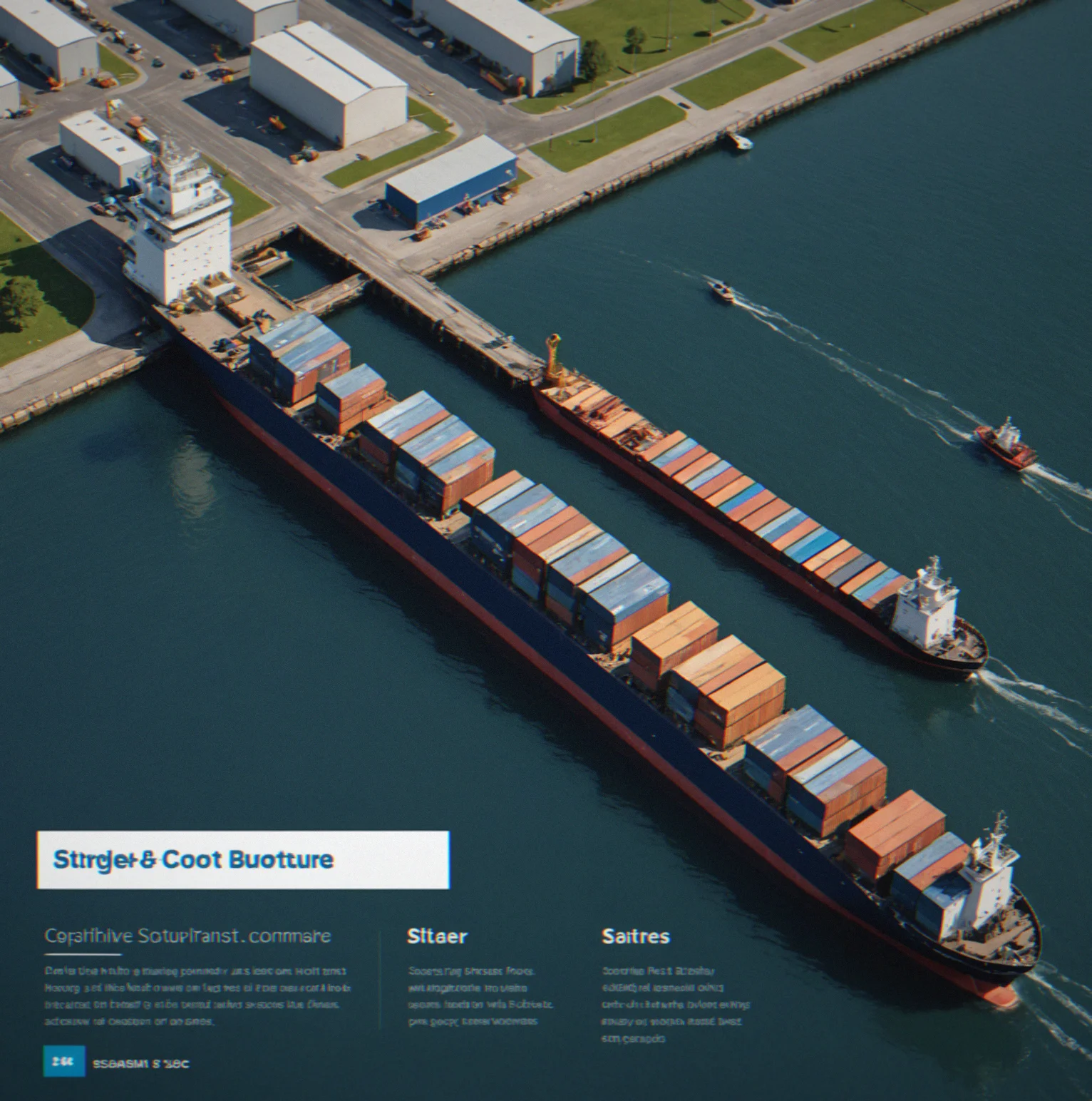
No Subscription
Just $34.99 USD. You buy it once and that's it. You get all five ports, 45 campaign scenarios, sandbox mode without limits, the challenge editor. No battle pass hanging over your head, no cosmetocs designed to tempt you, no dark patterns engineered to keep you spending. We keep you coming back because the systems feel good, not because we're trying to manipulate you.
Gameplay in Motion
You're watching real port operations play out in front of you. A vessel comes in, you position it at the berth, schedule the cranes, and see the whole system actually work. When the pressure's on and margins get thin, that's when you reallly notice how much precision costs.
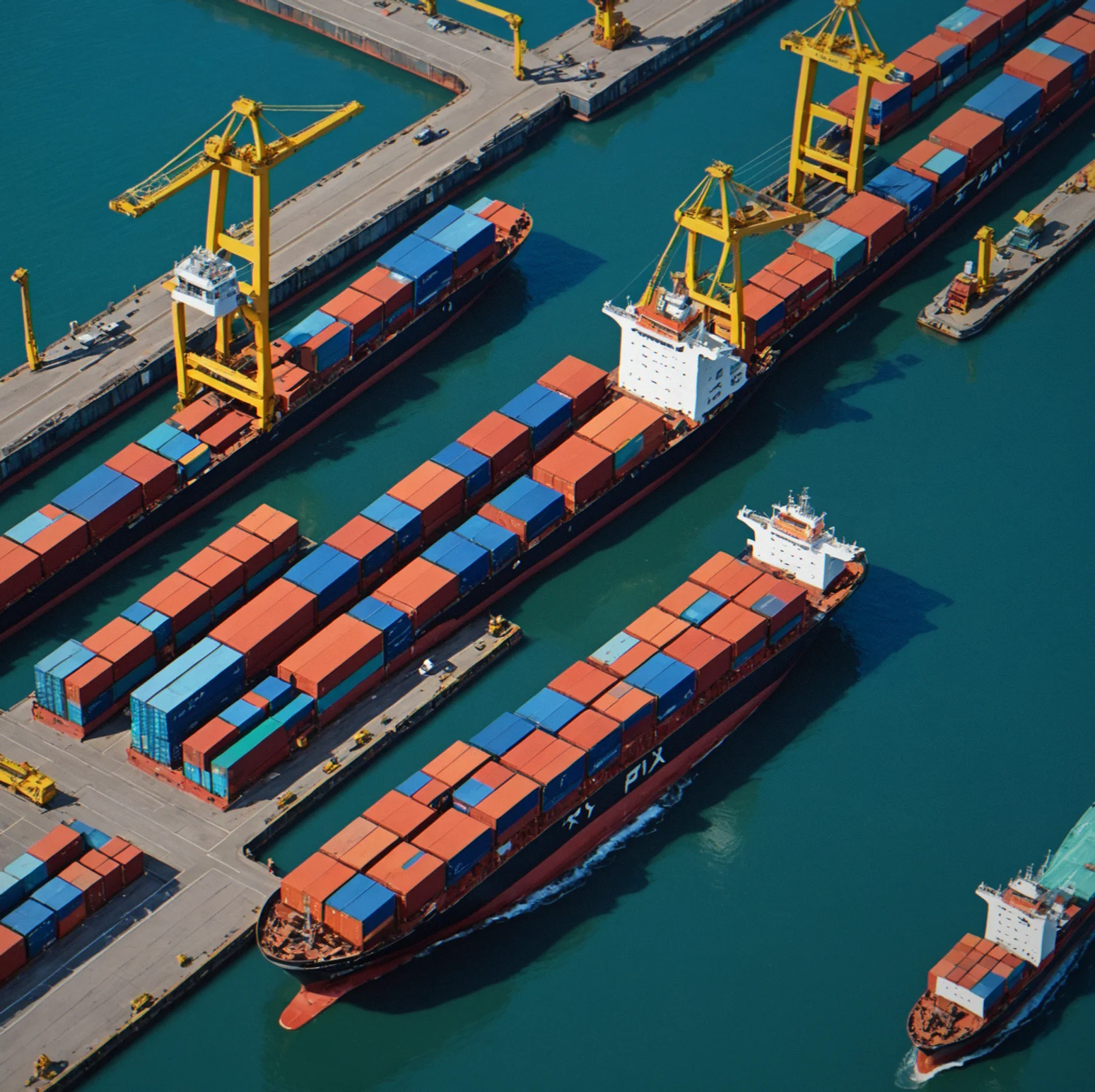
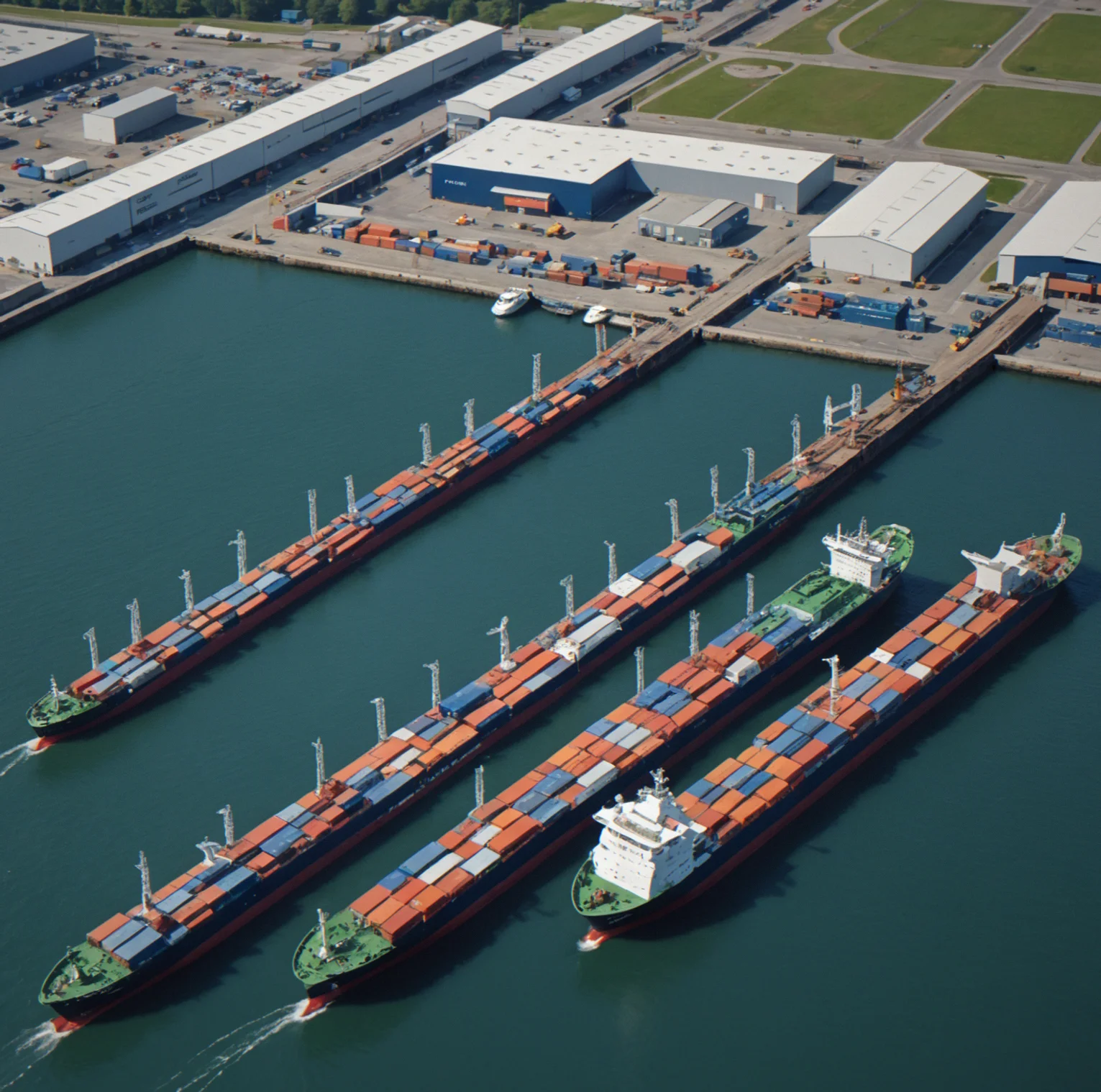
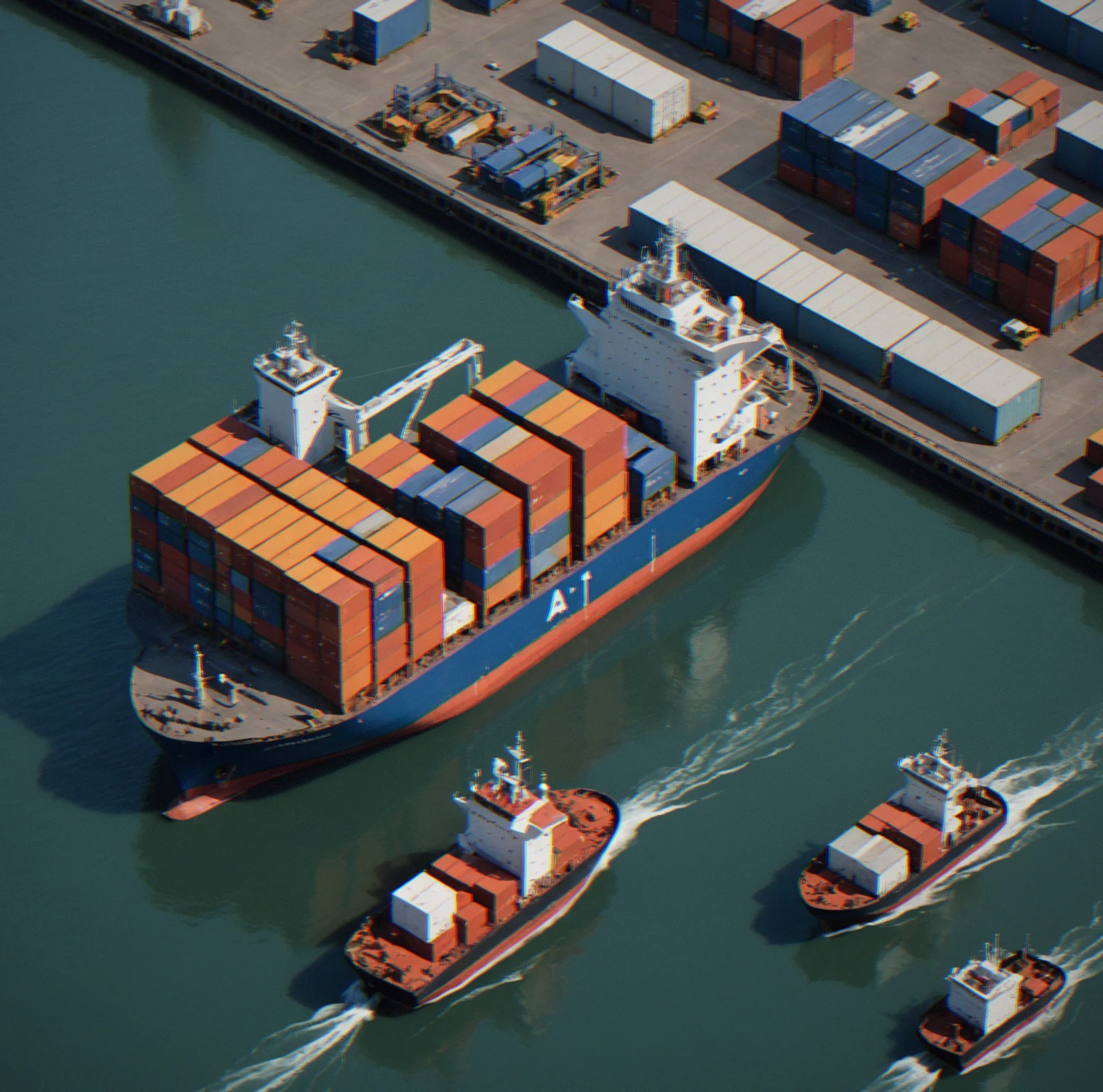
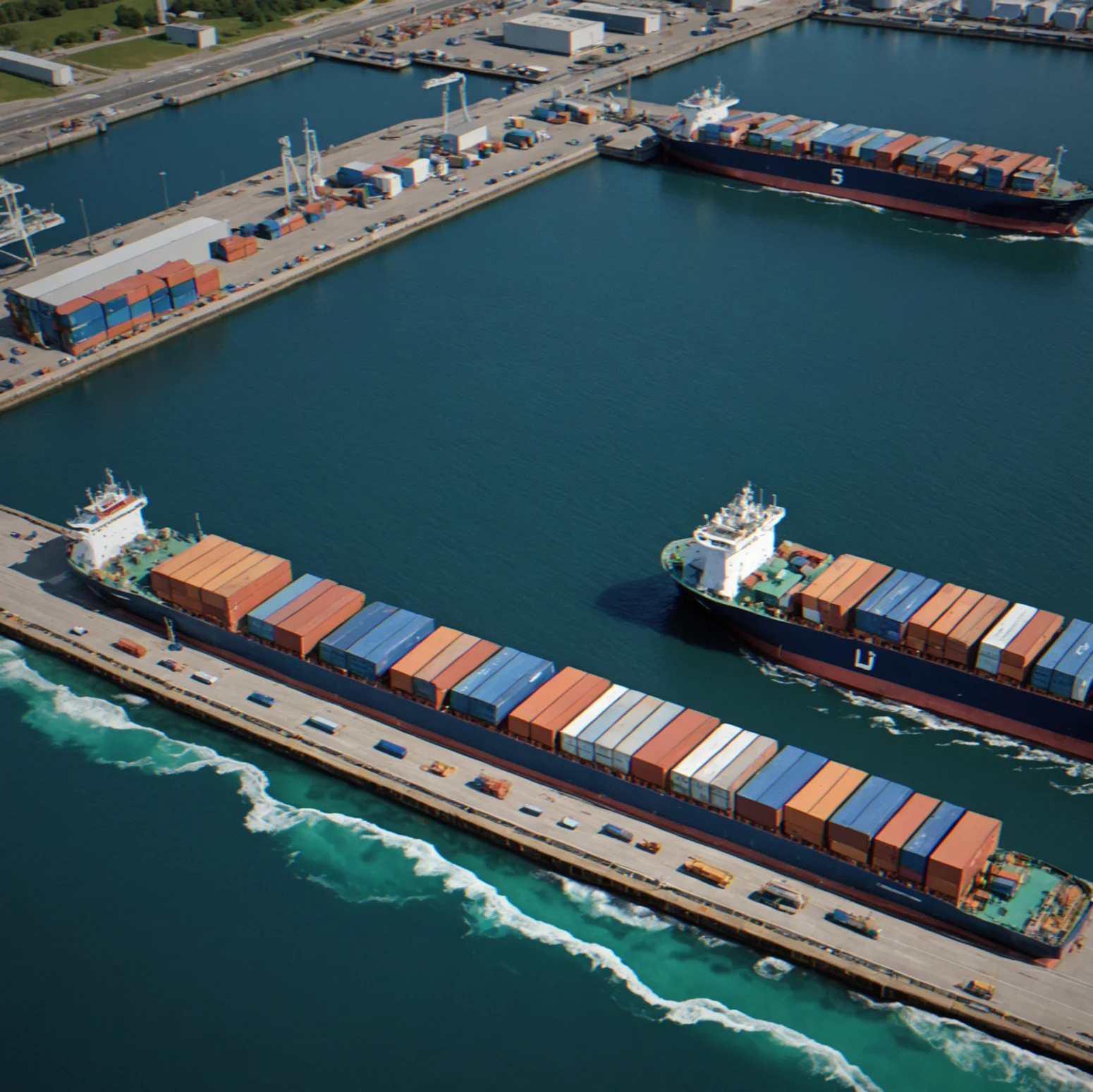
Live terminal operations with a large post-Panamax container ship moving into berth while two more sit waiting offshore, crane assignments overlaid on top, and the water depth indicator keeping you honest
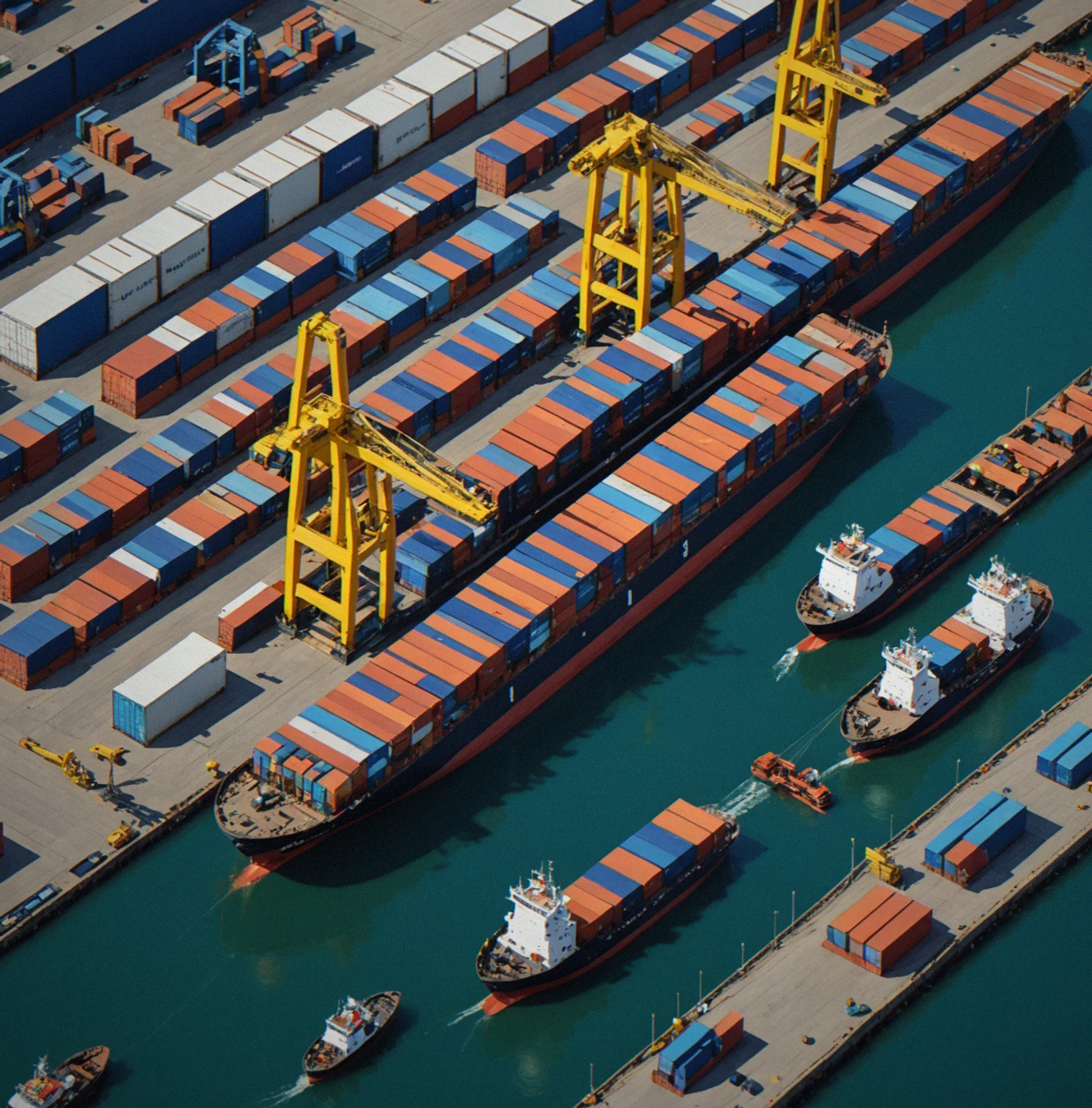
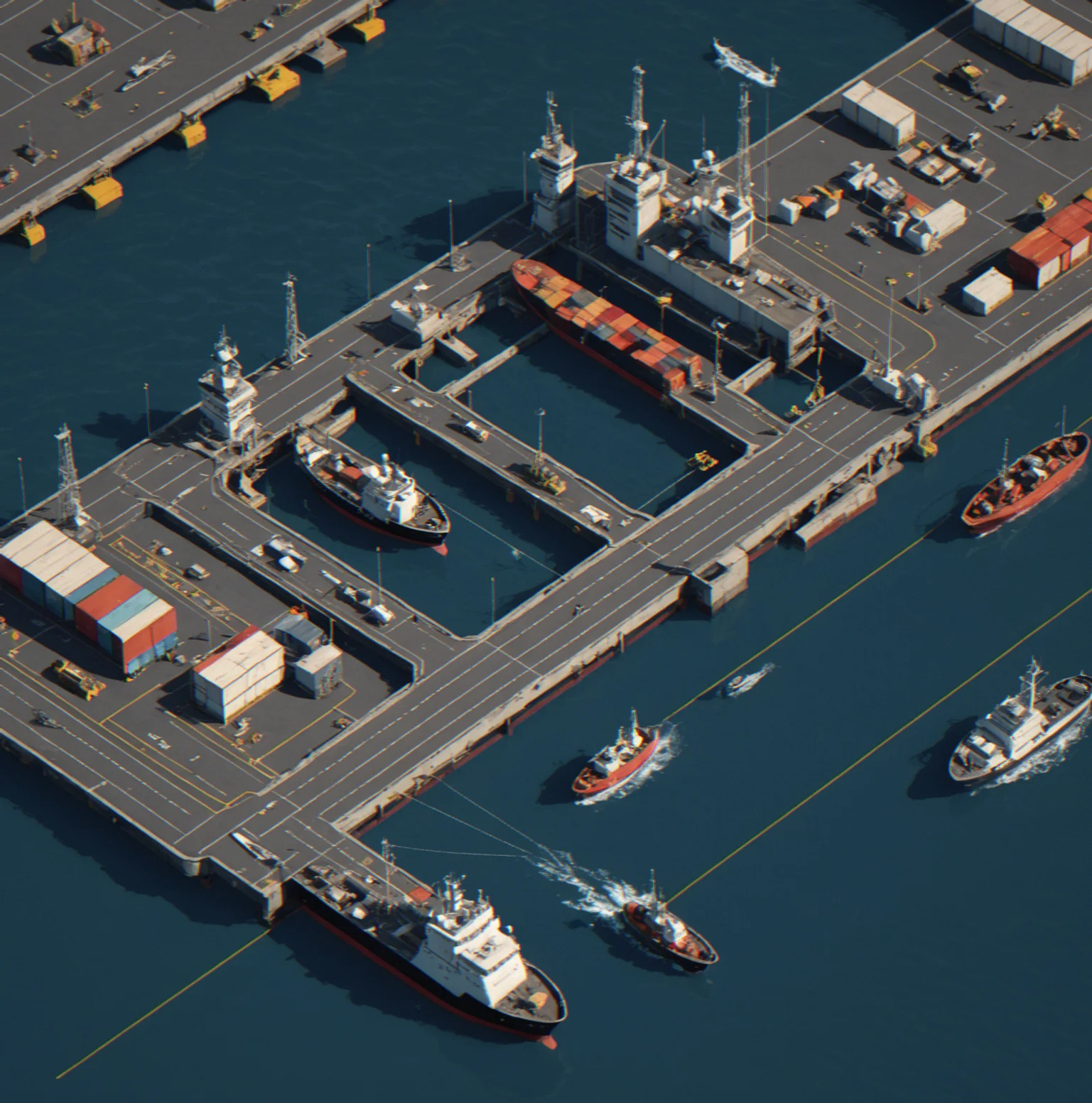
Bird's-eye view of containers stacked by how soon they need to come out, active crane work highlighted, barges being shuffled across the yard, and the cost multiplier ticking up during night shifts
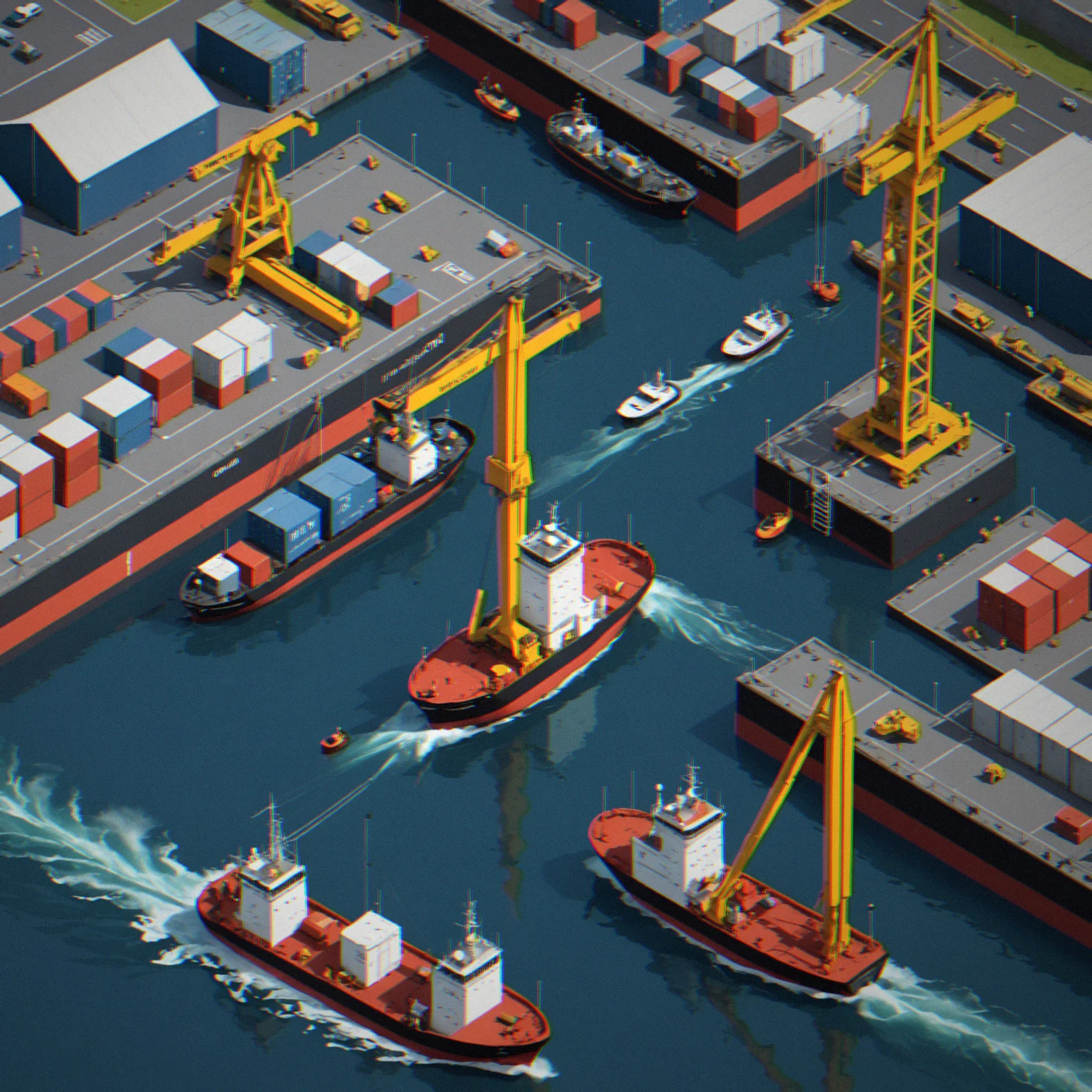
A scenario falling apart after a single crane goes down, vessels piling up at the approach channels, regulatory holds eating into your window, and then a storm warning that collapses hours of workable time into just over an hour and a half
Design Philosophy
Systems that respect your time
Smoothharbor doesn't waste your effort on RNG. A vessel delay isn't some random penalty thrown at you — it's what happens when your scheduling choices don't work out, or you misjudged a weather window, or maintenance ran longer than expected. Equipment breaks down, sure, but that's tied to your difficulty setting, not some cosmic dice roll. You fail when you make decisions that don't account for what's actually in front of you. Vessel drafts. Tidal cycles. Whether the crane is free. What labor costs you. Regulatory holds. Restart and apply what you learned. By your second time through a scenario, you're already running about a fifth faster because you actually understand how things work, not because luck finally smiled on you. This is optimization as a craft. No countdown timers screaming at you. No energy system draining away. No cosmetics locked behind some grind. Just the real satisfaction of watching a complicated operation run like clockwork — or the immediate clarity of exactly where it fell apart.
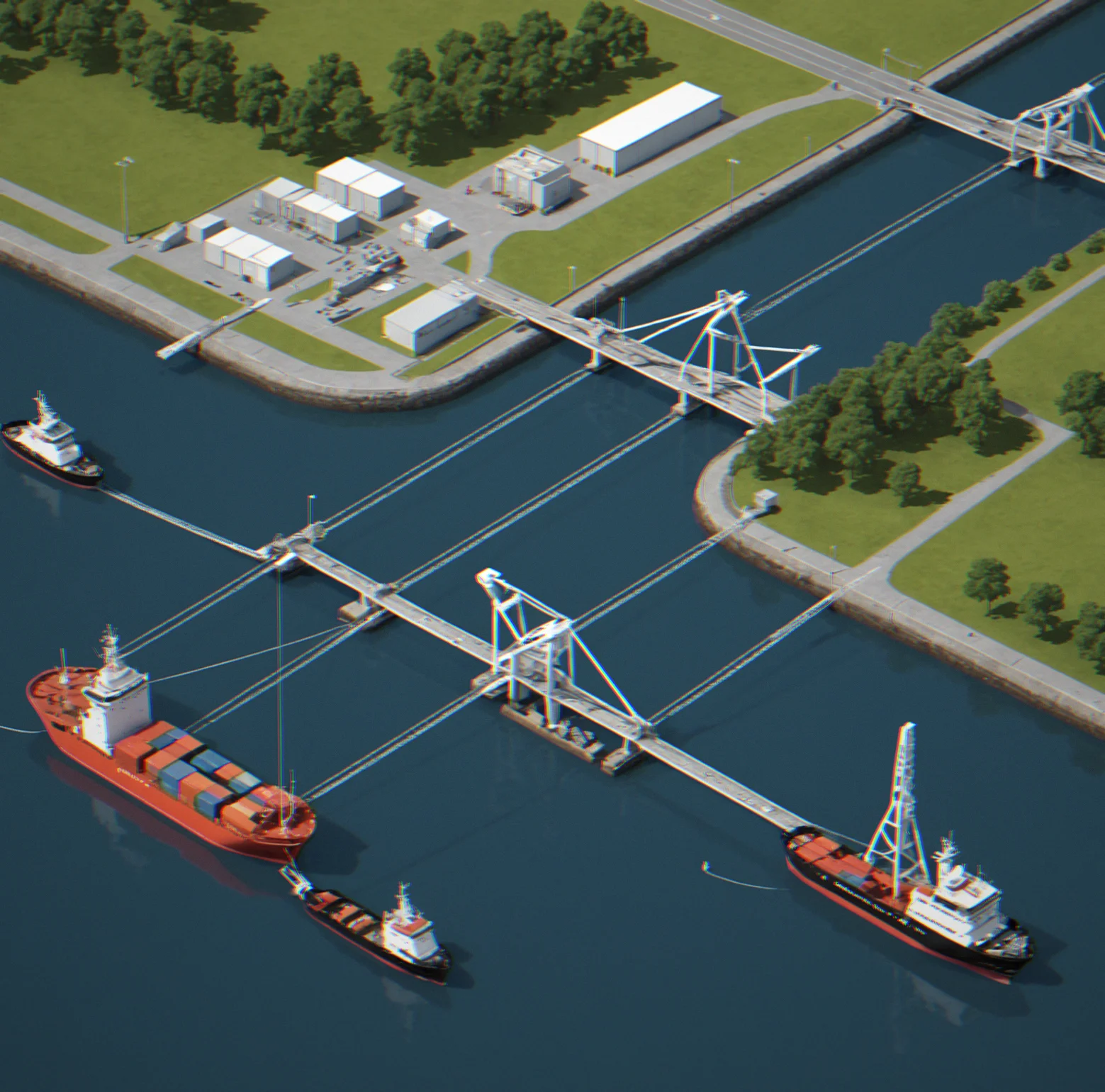
Every choice compounds. Better decisions reveal themselves across a 90-day cycle.
Progress shows up in real numbers, not arbitrary experience bars.
Learning happens through the restart cycle. You keep what you know.
45 Vessel Classes
Every ship type behaves differently. Draft, length, beam, crane requirements, load profiles—they all matter. A Triple-E container vessel stretches 400 meters. LNG carriers need their own specialized setup. Bulk carriers have specific stowage rules. You're scheduling around actual limitations, not generic boxes.
Tidal Cycle Modeling
Spring tides peak every couple weeks and last around 90 minutes per cycle. Your deepest berth only works at high water. Miss it and you're waiting over half a day. The whole schedule revolves around when the tide actually lets you dock, not the other way around.
Spatial Collision Detection
Berth positioning down to sub-meter accuracy. One ship's wake throws off the tugboat handling for the next one. You calculate safe spacing, plan your approach order, manage how each vessel moves. Not a grid. Actual physics.
Equipment Failure Events
Cranes go down. Maintenance is scheduled. A six-hour outage in the middle of your shift blows up your entire afternoon. No shortcuts, no instant fixes. You just adapt and compress everything else into whatever time's left.
Campaign Progression
You start with bulk carriers and small container work. Halfway through you're managing LNG vessels, massive Triple-E ships, and breakbulk cargo all at once. Later scenarios throw cascading delays, emergency evacuations, regulatory holds and weather windows that close in 48 hours and destroy your careful plans.
Sandbox Customization
Build your port from scratch. Allocate waterfront space, position berths, choose your crane setup and labor costs. Run a 90-day cycle and see what sticks. Even a 12% improvement in how fast you turn ships around compounds across everything.
No Monetization Overhead
$35. That's it. Everything's included: five ports, 45 scenarios, unlimited sandbox mode, challenge editor. No battle pass, no cosmetics, no psychological tricks to keep you logging in. The game's built to be good, not to manipulate.
Questions
Common Questions
Port operations get messy fast. Smoothharbor captures that without making you get a maritime license. Here's what people actulaly want to know.
Total
5
Topics
5
Active
0